
The Pros and Cons of Dental Bridges: Is a Bridge Right for Your Missing Tooth?
A dental bridge fills the gap left by a missing tooth by attaching a false tooth to crowns on the adjacent teeth. The biggest pros are a fixed, natural-looking tooth and easier chewing. The main cons are that the neighboring teeth must be reshaped, and the bridge needs careful daily cleaning.
Is a missing tooth making you chew on one side or hold back your smile? You are not alone, and you have more than one way to fix it. Weighing the pros and cons of dental bridges is a smart first step, because a bridge is one of the most time-tested ways to replace a tooth.
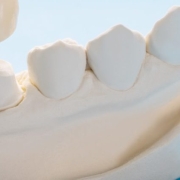
Here is how it works. A bridge uses a pontic, a false tooth, to fill the gap. That means the gap closes without anything you take in and out. Crowns on the abutment teeth, the healthy teeth on each side of the gap, hold the pontic in place. Put simply, your own teeth become the supports.
Because the supports matter so much, Dr. Raymond Niles Jr. and Dr. Kathryn Niles-Smith start by checking the health of those neighboring teeth and gums. If they aren’t strong enough to support a bridge, an implant-supported bridge may be another option. Read more about how we approach dental bridges at Niles Dental.
Most people who ask about a bridge are not really asking about dental work. They want to know if they can bite into an apple again without thinking twice. That is the right question to start with. In plain terms, the goal is a smile you stop noticing because it simply works.
Why Does a Missing Tooth Need to Be Replaced?
A gap may seem small, but your teeth work as a team. When one is missing, the teeth beside it can slowly tip or drift into the open space. The tooth above or below the gap can also shift because it has nothing to bite against.
Over time, that movement can change your bite. It can put extra stress on the teeth you still have and create tight spots where food and plaque get trapped. Chewing and even speaking can start to feel different.
The American Dental Association lists better chewing, clearer speech, and keeping your bite in place among the reasons to replace a missing tooth. Following that standard, our dentists look at your whole bite, not just the gap, so your new tooth fits the way you already chew.
What Are the Pros and Cons of Dental Bridges?
Every tooth replacement option has trade-offs. Here is an honest side-by-side look at a traditional bridge.
| Pros of a Dental Bridge | Cons of a Dental Bridge |
|---|---|
| Fixed in place, so there is nothing to take out at night | The neighboring teeth must be reshaped to hold crowns |
| Looks and feels like a natural tooth | Cleaning under the false tooth takes a floss threader or water flosser |
| Restores chewing and clear speech | Does not replace the tooth root, so the bone under the gap can shrink over time |
| Usually needs no surgery | Many bridges need replacing after 5 to 15 years |
| Keeps nearby teeth from drifting into the gap | If a support tooth gets a cavity or gum problem, the whole bridge is affected |
A bridge is often a great fit if you:
- Have healthy, strong teeth on both sides of the gap
- Have healthy gums
- Are missing one tooth, or a few teeth in a row
- Prefer a fixed option without surgery
- Already need crowns on the neighboring teeth for other reasons
Because the bridge is bonded to teeth you already have, it feels steady when you bite. That means you can get back to the foods you enjoy and smile without covering your mouth. For busy commuters on I-95 and Route 1, it also means one less appliance to remove, soak, or pack for the day.
Common Questions About the Pros and Cons of Dental Bridges
How long do dental bridges last?
Many bridges last 5 to 15 years, and some last longer with good care. How long yours lasts depends mostly on the health of the supporting teeth and the gums underneath. Brushing twice a day, cleaning under the bridge every day, and keeping up with checkups give it the best chance.
Does getting a bridge hurt?
Most people feel little more than pressure because the area is numbed before we shape the teeth. Some sensitivity to hot or cold for a few days afterward is common, and it usually fades on its own. Our team checks on your comfort at every step and explains what to expect before we begin.
Can a bridge replace more than one tooth?
Yes. A bridge can replace one tooth or a few teeth in a row, as long as the support teeth are strong enough to carry the load. If the gap is long or the neighboring teeth are weak, our dentists may suggest an implant-supported bridge or another option instead.
Is a bridge or an implant better for me?
Neither one is best for everyone. A bridge is fixed and usually needs no surgery, while an implant replaces the root and leaves the neighboring teeth untouched. The right choice depends on your support teeth, bone, timeline, and budget, and we will walk you through each option at your exam.
How do I clean under a bridge?
Clean under the false tooth every day with a floss threader, bridge floss, or a water flosser. The American Dental Association recommends cleaning between your teeth once a day, and a bridge just needs a tool that can slip underneath it. Our team is happy to show you an easy routine at your next visit.
Schedule Your Dental Bridge Visit in Woodbridge
Ready to close the gap in your smile? We will check your support teeth, talk through a bridge and your other options, and help you choose the plan that fits your life. Many dental plans reset in January, so check yours now. Ask us; we have options and affordable prices. Request your appointment online or call Niles Dental at 703-494-4101.